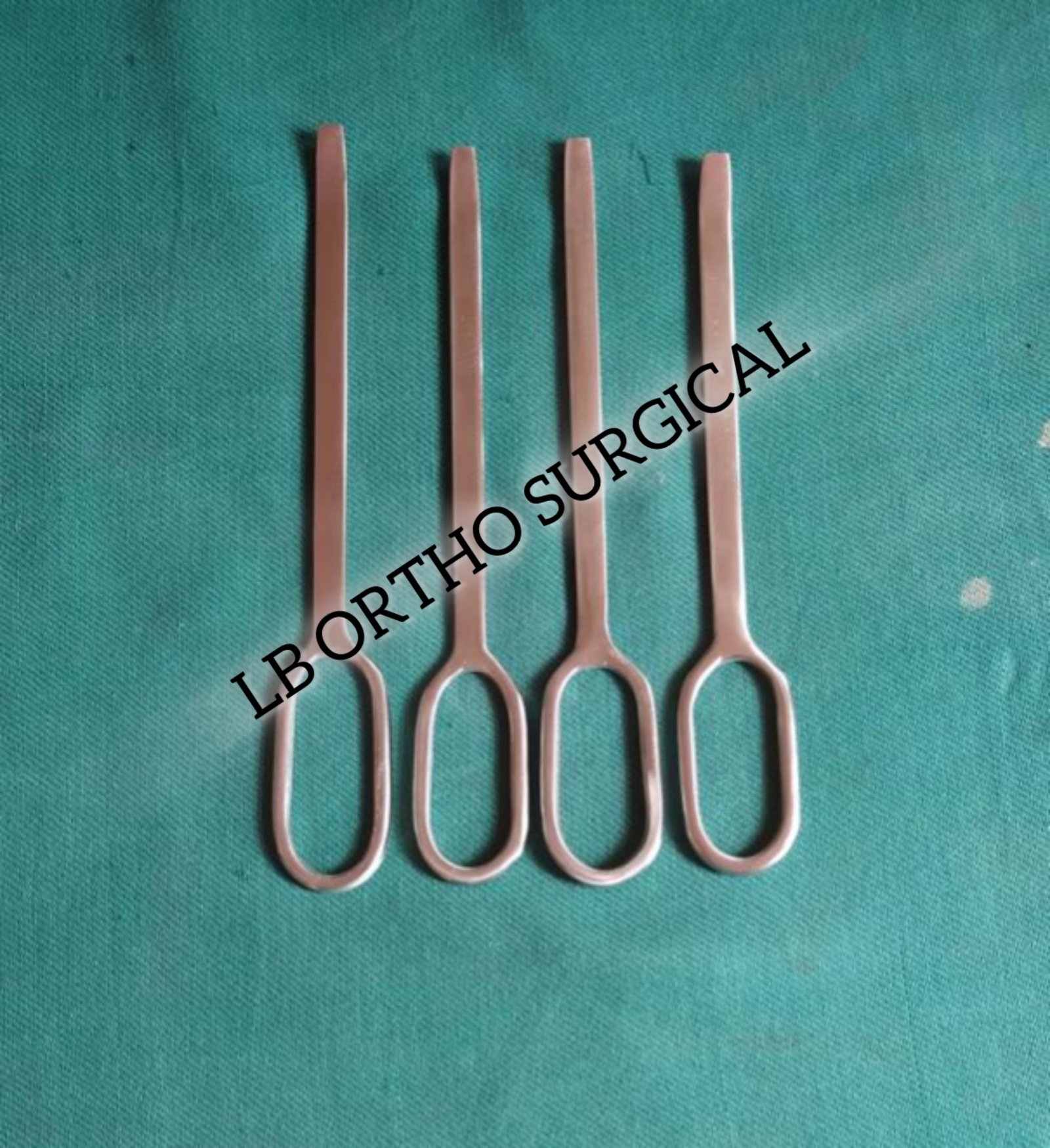
Explore the features, applications, and quality considerations of Bristow elevators used in orthopedic and surgical settings. Learn how to evaluate instrument specifications, manufacturing standards, and supplier reliability before purchasing.
Choosing the right surgical instrument is an important part of preparing for a medical procedure. Instruments must be suited to their intended application, manufactured to consistent specifications, and supported by appropriate quality documentation. Bristow elevators are specialized instruments associated with orthopedic and related surgical procedures, where controlled tissue or periosteal elevation may be required.
For hospitals, surgical centers, and medical equipment distributors, understanding an instrument's design and intended use helps make purchasing decisions more informed. A dependable Bristow Elevator Manufacturer in India should be able to provide clear product specifications and information about materials, finishing, and quality-control practices.
A Bristow elevator is a surgical instrument designed for specific tissue-elevation tasks, particularly in orthopedic surgical settings. Its working end and handle are shaped to support access and manipulation according to the intended procedure.
The exact configuration may vary by model and manufacturer. Therefore, healthcare professionals should check the instrument's intended application and technical specifications instead of assuming that all elevators have the same design or function.
Surgical instruments should always be selected and used by qualified professionals according to the procedure, clinical requirements, and relevant instructions.
A Bristow elevator generally includes a handle, a connecting shaft, and a shaped working end. Each component contributes to the instrument's overall usability.
Handle and Grip
The handle should allow the intended user to maintain controlled handling during the procedure. Its shape, surface finish, and balance can influence comfort and manipulation.
Shaft and Working End
The shaft connects the handle to the working end. Its dimensions and shape determine how the instrument can access the intended surgical area. The working end must match the product's specified design and application.
Surface Finish and Construction
Consistent finishing helps support product inspection and overall quality. Buyers should check for visible defects, rough areas, or other irregularities that may affect the instrument's suitability.
The intended application of a Bristow elevator depends on its specific design and the surgical technique being performed. Such instruments may be included in specialized orthopedic instrument sets where elevation or separation of tissue is required.
Medical professionals select instruments based on the anatomical area, procedural requirements, and manufacturer-provided instructions. An instrument should not be chosen solely because its name matches a particular procedure; its dimensions and working-end design must also be suitable.
Material selection is an important consideration when sourcing surgical instruments. Stainless steel is commonly used for many reusable surgical instruments because suitable grades can provide corrosion resistance, strength, and compatibility with appropriate reprocessing procedures.
However, buyers should verify the material grade and intended use of the particular product rather than relying on general descriptions.
A quality-focused Bristow Elevator Manufacturer should pay attention to the following factors:
Material specifications: Clear information about the materials used in production.
Dimensional accuracy: Product dimensions that match the stated specifications.
Finishing quality: Careful finishing and inspection of the handle, shaft, and working end.
Quality-control procedures: Checks designed to identify manufacturing defects and inconsistencies.
Product documentation: Appropriate technical details and instructions for use, cleaning, and maintenance.
These factors help healthcare organizations assess whether an instrument meets their purchasing requirements.
When comparing a Top Bristow Elevator Manufacturer, buyers should look beyond promotional claims and examine verifiable information about the product and the business.
Start by reviewing the manufacturer's catalogue and confirming the exact model required. Ask for specifications, available sizes, material details, and applicable quality documentation. Where certifications or regulatory credentials are claimed, request supporting records and verify their relevance.
It is also useful to assess communication, order processing, packaging, delivery timelines, and after-sales support. These practical considerations matter to hospitals and distributors that need predictable procurement and reliable product information.
A supplier's ability to explain the instrument's specifications clearly can make the evaluation process easier and reduce misunderstandings during ordering.
Healthcare procurement teams should establish their requirements before requesting quotations. These may include the instrument model, quantity, intended application, material specifications, packaging requirements, and delivery location.
For larger orders, buyers should confirm whether the supplier can meet the requested quantity and delivery schedule. They should also clarify product inspection arrangements and the documentation provided with the instruments.
A quotation should be evaluated alongside product suitability, quality assurance, and supplier reliability. The lowest price does not necessarily represent the best overall value when consistency and documentation are important.
1. What is a Bristow elevator used for?
A Bristow elevator is a specialized surgical instrument used for particular tissue-elevation tasks, depending on its design and intended surgical application.
2. What material is commonly used to manufacture surgical elevators?
Suitable stainless-steel grades are commonly used for reusable surgical instruments. The specific material should be confirmed through the manufacturer's product specifications.
3. How can buyers identify a reliable manufacturer?
Review product specifications, manufacturing quality controls, relevant certifications, inspection documentation, delivery arrangements, and customer support.
4. What information should be included in a purchase enquiry?
Include the required instrument model, quantity, technical specifications, documentation requirements, and expected delivery schedule.
5. Why is product documentation important?
Documentation helps buyers confirm instrument specifications, understand the intended application, and follow the manufacturer's instructions for handling, cleaning, sterilization, and maintenance.
Selecting a surgical instrument requires attention to its intended application, design, material, finishing, and documented quality. Hospitals and distributors should compare these factors carefully before choosing a supplier.
A professional Bristow Elevator Manufacturer in India should provide clear product information and help buyers understand the specifications of the instruments available. By focusing on verifiable quality standards and reliable communication, healthcare procurement teams can make better-informed purchasing decisions.
For organizations researching a Top Bristow Elevator Manufacturer, the most useful approach is to compare documented manufacturing capabilities and product suitability rather than relying on marketing claims alone.