External fixators help stabilize fractures and support bone healing. Learn about their types, benefits, and how to choose a reliable orthopedic device manufacturer in India.
External fixation is an important technique in orthopedic and trauma care. It helps stabilize fractured bones, maintain alignment, and support the healing process in selected clinical situations. These devices are particularly useful when fractures involve severe soft-tissue injuries, open wounds, or complex bone damage.
Choosing a suitable External Fixator Manufacturer in India involves understanding product design, material quality, compatibility, documentation, and the needs of orthopedic professionals. This guide explains how external fixation systems work and what healthcare providers should consider before selecting a supplier.
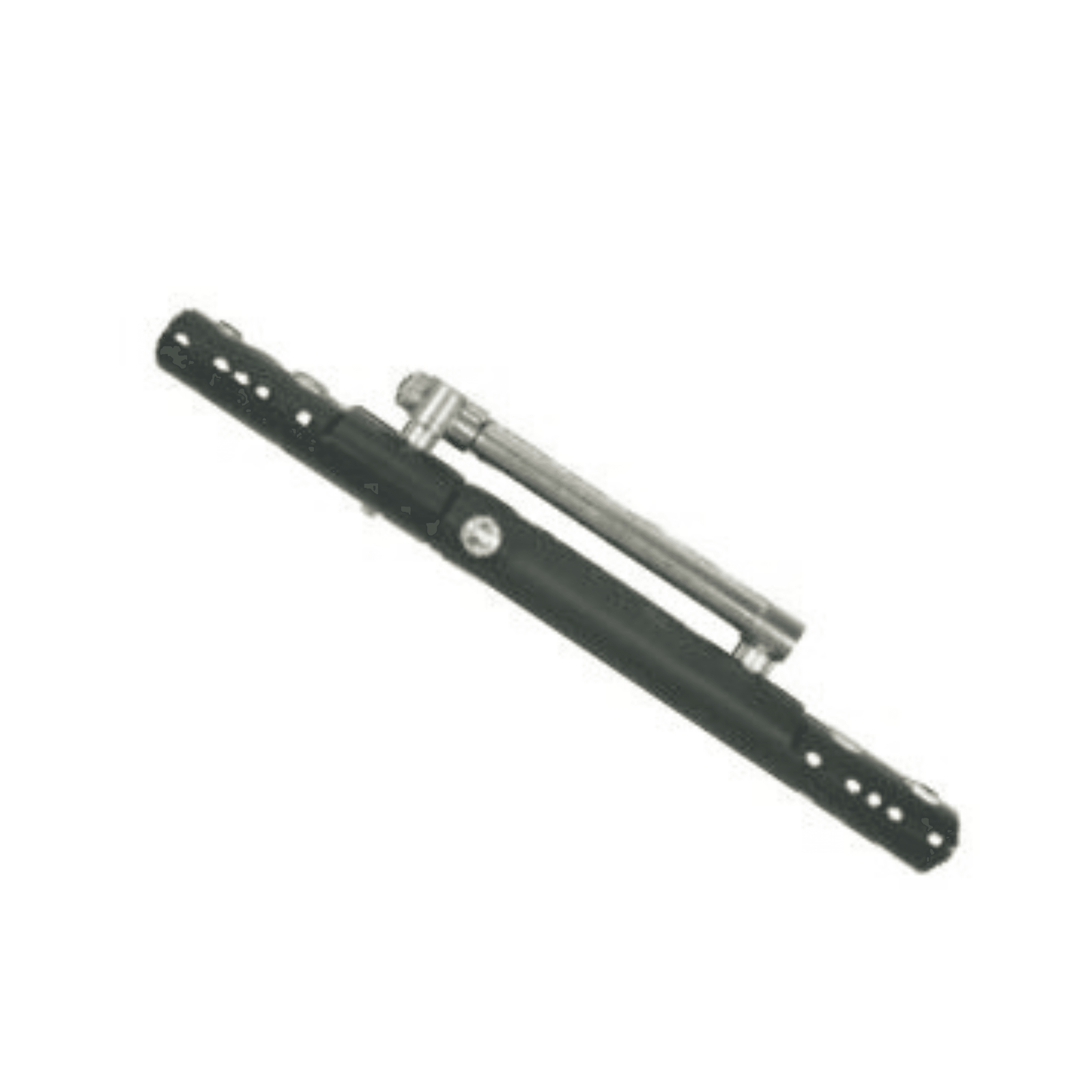
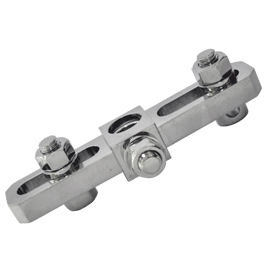
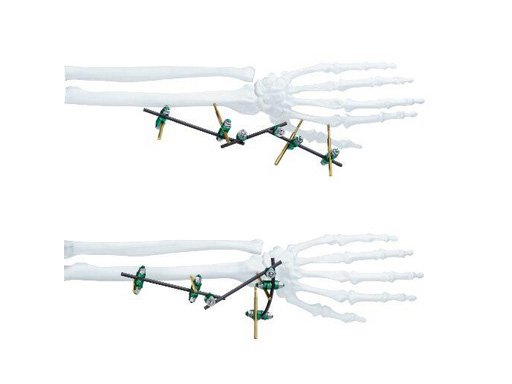
An external fixator is a medical device used to stabilize a bone from outside the body. It typically consists of pins or wires inserted into the bone and connected to an external frame using clamps, rods, or rings.
Unlike internal fixation devices, which are placed beneath the skin, external fixation systems remain outside the body while providing structural support. Their configuration depends on the fracture location, the patient's condition, and the treatment plan determined by the orthopedic surgeon.
These systems may be used for temporary stabilization or longer-term treatment in selected cases. Regular clinical monitoring is essential throughout the treatment period.
1. Unilateral or Tubular Fixators
Unilateral fixators generally use pins connected to rods on one side of the affected limb. Their modular construction allows the surgical team to configure the frame according to clinical requirements.
These systems may be considered for selected fractures involving long bones, depending on the injury pattern and surgical assessment.
2. Circular Fixators
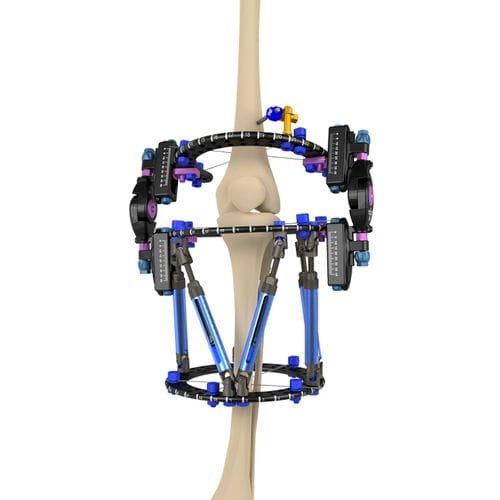
Circular fixation systems use rings connected by rods, wires, or other supporting components. Ilizarov-type systems are examples of circular fixation.
They may be used in complex fracture management, limb reconstruction, selected bone deformity corrections, and certain limb-lengthening procedures under specialist supervision.
3. Monorail Fixators
Monorail systems use a rail-based frame to provide support and controlled adjustment in appropriate clinical applications. Depending on the device design, they may be used for selected limb reconstruction procedures and bone transport.
4. Joint-Specific Fixators
Some external fixation devices are designed for particular anatomical areas, including the wrist, ankle, elbow, or knee. The intended application and compatibility of each system should be verified against its product documentation.
Selecting an External Fixator Manufacturer requires more than comparing prices. Hospitals, distributors, and surgical procurement teams should assess several important factors before placing an order.
Material Quality and Manufacturing Standards
Ask about the materials used in the device, manufacturing processes, inspection procedures, and traceability documentation. Materials and components should meet the specifications applicable to their intended medical use.
Product Range and Compatibility
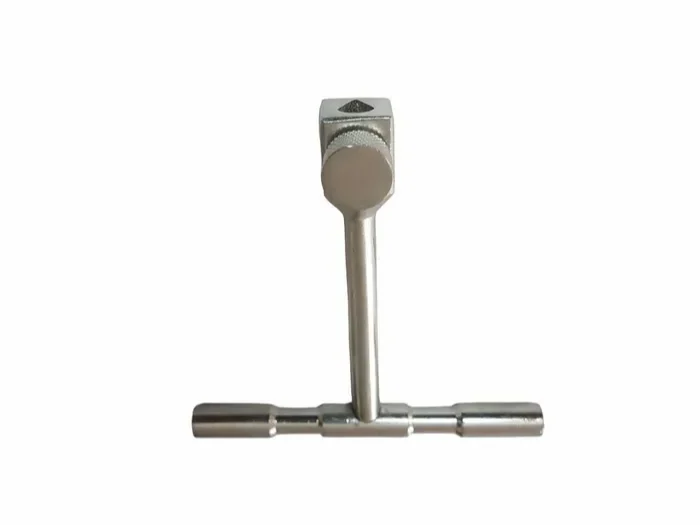
Review the available fixation systems, connecting rods, clamps, pins, wires, and accessories. Confirm that the components are compatible with the intended system and that the required configurations are available.
Regulatory Documentation
Request applicable licences, conformity documents, quality-management certifications, and product-specific records. Verify their validity and scope rather than relying solely on general marketing claims.
Technical Support and Supply Reliability
Consistent availability, clear product identification, instructions for use, and responsive technical support can help healthcare facilities manage procurement more effectively.
A professional External Fixator Manufacturer should communicate product specifications and limitations clearly without making unsupported promises about patient outcomes.
External fixation can provide several practical advantages in appropriate clinical settings.
Fracture stabilization: Helps maintain bone alignment during treatment.
Access to injured tissues: The external frame may allow access to wounds for assessment and wound care when clinically appropriate.
Adjustable configurations: Some systems permit adjustments according to the treatment plan.
Complex injury management: May be considered for selected open fractures, severe trauma, and complex reconstruction.
Temporary stabilization: Can provide support while the clinical team plans further treatment.
However, external fixation is not suitable for every fracture. Potential complications include pin-site infection, loosening, discomfort, and problems related to bone healing. Device selection, placement, and follow-up must be managed by qualified healthcare professionals.
When searching for an External Fixator Manufacturer Near Me, buyers should look beyond geographical proximity. A nearby supplier may offer easier communication and logistics, but product suitability, regulatory compliance, documentation, and service capability remain essential considerations.
Start by checking the supplier's official website and reviewing its product catalogue. Compare specifications, available configurations, delivery terms, warranty conditions where applicable, and technical support arrangements.
Hospitals and distributors should also ask whether the supplier can provide the required quantities and maintain consistent product availability. Request written quotations and verify that the quoted products match the clinical or procurement specifications.
For organizations sourcing across India, a qualified External Fixator Manufacturer in India may be evaluated on its ability to serve the required locations, provide appropriate documentation, and communicate realistic delivery schedules.
Orthopedic fixation devices must perform reliably within their intended use. Manufacturing quality includes appropriate material selection, dimensional accuracy, inspection, traceability, packaging, and clear instructions.
When assessing an External Fixator Manufacturer in India, procurement teams should review documented quality controls and confirm that product claims are supported by evidence. They should also establish a process for handling product complaints, replacements, and post-market concerns where applicable.
When comparing suppliers, an External Fixator Manufacturer should be assessed on documented quality processes and product suitability. A qualified External Fixator Manufacturer Near Me should also be able to provide relevant product information and communicate clearly about availability. Buyers evaluating an External Fixator Manufacturer Near Me should verify the supplier's credentials and confirm that the products meet their requirements.
What is an external fixator used for?
An external fixator is used to stabilize selected fractures and support bone alignment. It may also be used in certain complex trauma and limb reconstruction procedures.
What should buyers check before selecting a manufacturer?
Review product specifications, material information, applicable regulatory documentation, compatibility, quality controls, supply reliability, and technical support.
Are all external fixators suitable for every fracture?
No. The appropriate system depends on the injury, anatomical location, patient condition, and the treating surgeon's clinical judgment.
How can hospitals compare suppliers?
Hospitals can compare documented specifications, regulatory status, product availability, pricing, delivery terms, and support services before making a procurement decision.
External fixation systems are valuable tools in orthopedic trauma care when selected and used appropriately. Understanding their types, applications, limitations, and quality requirements helps healthcare organizations make informed purchasing decisions.
Whether evaluating suppliers locally or across the country, prioritize verified documentation, product compatibility, manufacturing controls, and dependable communication. A structured procurement process helps ensure that the selected device meets the intended clinical and operational requirements.