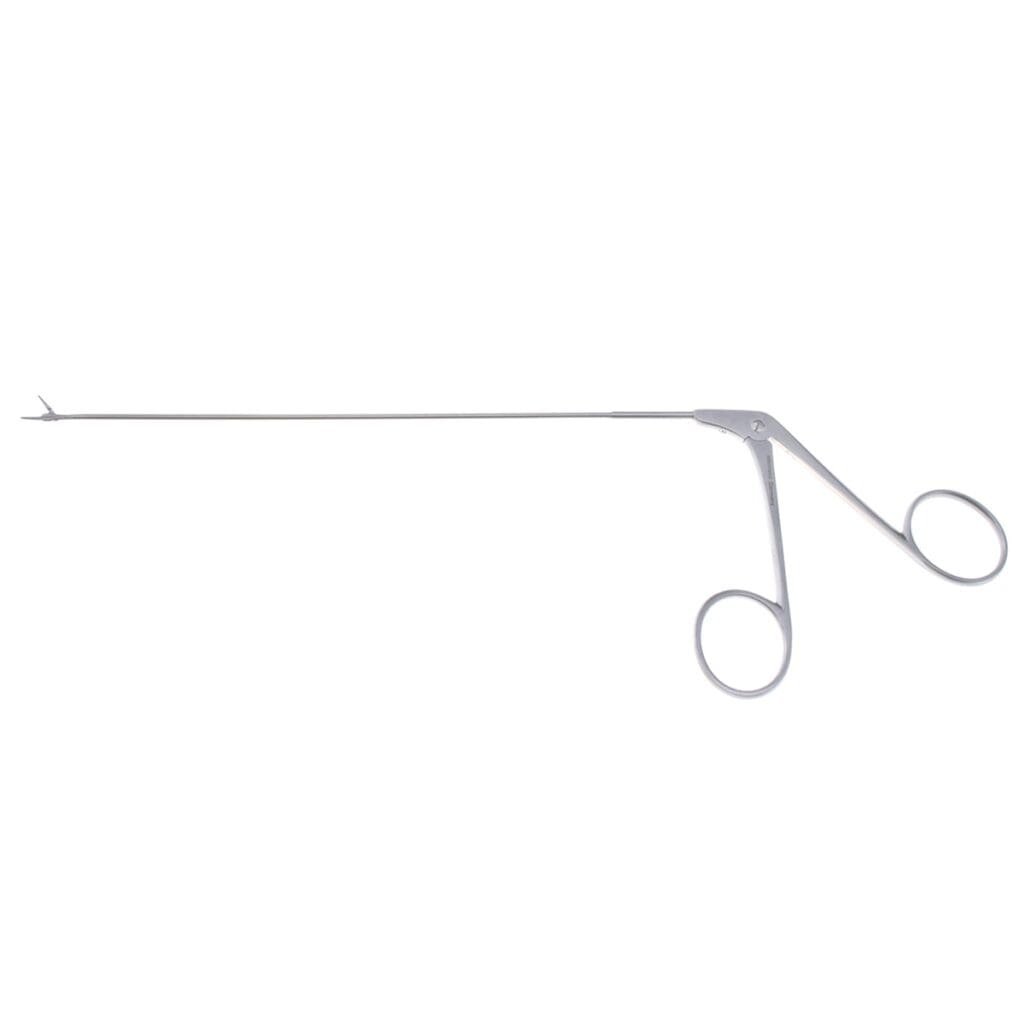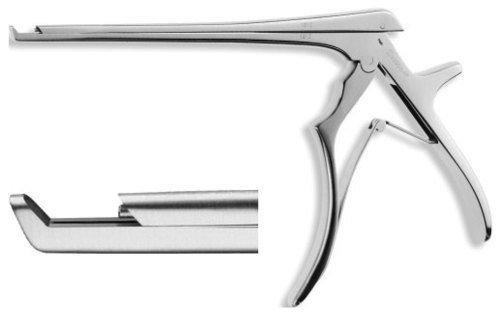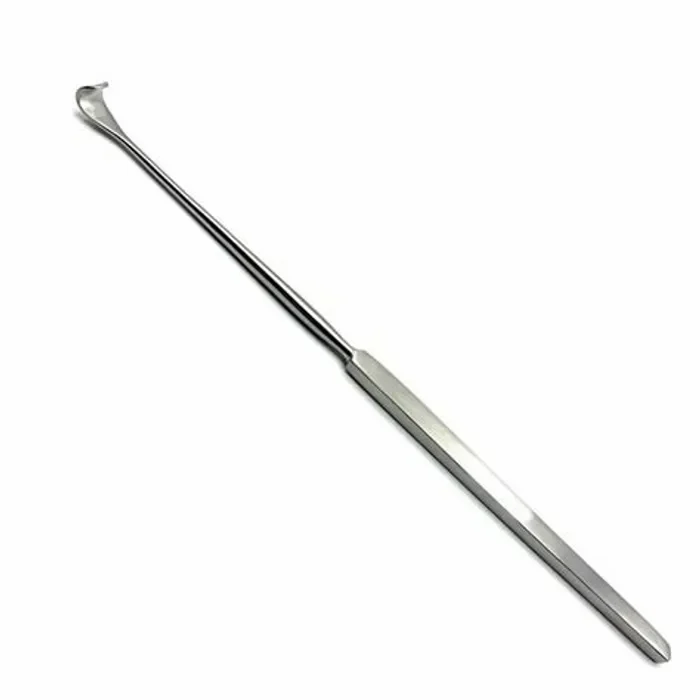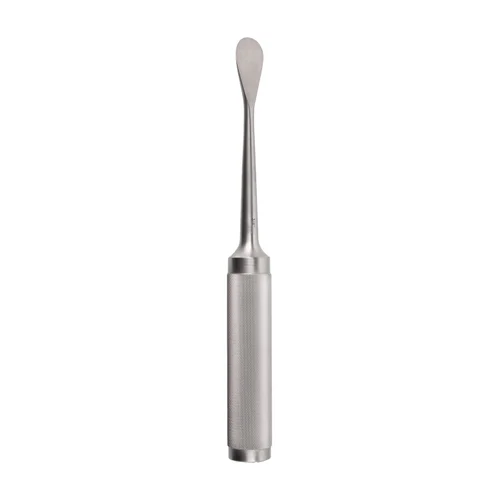
Explore spine surgical instruments, their uses, quality standards, and tips for choosing a reliable manufacturer at a competitive price
Spinal surgery requires precision, reliable instruments, and careful planning by qualified healthcare professionals. Spine surgical instruments are designed to assist surgeons during procedures involving the vertebrae, spinal discs, and supporting structures. Selecting appropriate instruments is important for hospitals, surgical centres, distributors, and medical procurement teams.
When evaluating a Spine Instruments Manufacturer in Delhi, buyers should consider product quality, material specifications, manufacturing standards, regulatory documentation, and after-sales support. Understanding these factors can help healthcare organizations make informed purchasing decisions while meeting their clinical and operational requirements.
Spine surgical instruments are specialized medical tools used during procedures involving the spinal column. Depending on their design and intended application, these instruments may assist with tissue preparation, bone manipulation, implant placement, and other surgical tasks.
They are available in different shapes, sizes, and configurations to support various surgical techniques. The choice of instrument depends on the procedure, the surgeon's requirements, and the applicable product specifications.
Hospitals and procurement teams should verify the intended use, compatibility, and instructions for each instrument before purchasing or using it.
1. Spinal Retractors
Spinal retractors help maintain access to the surgical area by holding tissues aside. Different designs are available for different anatomical locations and surgical approaches.
The selected retractor should be suitable for the intended procedure and used by trained professionals according to the manufacturer's instructions.
2. Bone Rongeurs and Curettes
Bone rongeurs are designed to remove small portions of bone, while curettes are used for controlled scraping or removal of selected tissue, depending on their design.
These instruments are manufactured in different configurations to support specific surgical requirements. Appropriate selection depends on the procedure and the surgeon's clinical judgment.
3. Pedicle Probe and Awl Instruments
Certain spinal procedures involve specialized instruments for preparing or assessing pathways for pedicle screw placement. Pedicle probes and awls are examples of instruments used for these purposes.
Their design, dimensions, and intended application should be verified against the relevant product documentation.
4. Discectomy Instruments
Discectomy instruments are used during procedures involving the removal of disc material when clinically indicated. Depending on the design, they may include specialized graspers, curettes, and other instruments.
5. Rod Holders and Implant-Related Instruments
Some spinal procedures involve implants such as screws and rods. Dedicated instruments may assist with handling, positioning, or assembling compatible components.
Hospitals should confirm that instruments are intended for use with the relevant implant system rather than assuming that components from different systems are interchangeable.
Selecting a Spine Instruments Manufacturer requires a structured evaluation of product specifications, manufacturing processes, and service capabilities.
Material Quality and Durability
Ask about the materials used in instrument construction and the applicable material specifications. Instruments intended for repeated use should have clear instructions covering cleaning, disinfection, sterilization, inspection, and maintenance.
Material selection alone does not guarantee performance. Manufacturing quality, surface finishing, design, and appropriate reprocessing are also important considerations.
Manufacturing and Quality Controls
Review the manufacturer's quality-management processes, inspection procedures, traceability systems, and relevant certifications. Request documentation that applies to the specific products being considered.
A supplier should provide accurate information about product dimensions, intended use, limitations, and available configurations.
Product Range and Availability
Hospitals and distributors may require different instruments for different surgical procedures. Review the catalogue to determine whether the supplier offers the necessary product range and can maintain reasonable supply continuity.
Regulatory Documentation and Support
Verify applicable licences, regulatory status, product documentation, and quality certificates. Also consider communication, complaint handling, warranty terms where applicable, and technical support.
A qualified Spine Instruments Manufacturer in Delhi should be able to explain product specifications clearly and provide relevant documentation for evaluation.
Searching for Spine Instruments Manufacturer Best Price is understandable for hospitals and distributors managing procurement budgets. However, the lowest quoted price does not necessarily represent the best overall purchasing decision.
Buyers should compare quotations alongside product specifications, material information, quality documentation, expected service life, and applicable warranty conditions.
Request itemized quotations that clearly identify each instrument, its specifications, the quantity, applicable taxes, delivery charges, and expected delivery schedule. This makes it easier to compare equivalent products rather than instruments with different designs or specifications.
A competitive quotation from a Spine Instruments Manufacturer in Delhi should be evaluated alongside product suitability, documentation, and supply reliability. Buyers should also confirm whether quoted prices include any additional accessories, packaging, or services required for their intended use.
Spinal procedures require instruments appropriate to the intended surgical task. Poorly maintained, incompatible, or incorrectly selected instruments may create avoidable difficulties during clinical procedures.
Quality evaluation should include dimensional accuracy, finish, functional inspection, traceability, packaging integrity, and clear instructions for use. Reusable instruments must be reprocessed according to validated instructions and applicable infection-control protocols.
Healthcare organizations should establish suitable inspection and procurement procedures rather than relying exclusively on advertising claims or price comparisons.
When comparing suppliers, consider the complete purchasing process. Review the catalogue, request technical documentation, confirm availability, and obtain written quotations for the required instruments.
If you are searching for Spine Instruments Manufacturer Best Price, compare the total purchasing cost and specifications of equivalent products. Ask suppliers to clarify lead times, minimum order quantities, replacement policies, and support arrangements before confirming an order.
A transparent Spine Instruments Manufacturer should communicate clearly about product features, limitations, and applicable documentation. This helps procurement teams assess whether a supplier meets their operational requirements.
What are spine surgical instruments used for?
They are specialized tools used in procedures involving the spinal column. Their functions depend on the instrument design and intended surgical application.
How should hospitals select a manufacturer?
Hospitals should evaluate product specifications, materials, quality controls, regulatory documentation, compatibility, availability, and support services.
How can buyers compare instrument prices?
Request itemized quotations and compare equivalent specifications, quantities, taxes, delivery costs, documentation, and warranty conditions where applicable.
Are all spine instruments compatible with every implant system?
No. Compatibility depends on the design and intended use of the instruments and implants. Buyers should verify compatibility using official product documentation.
Spine surgical instruments support a range of procedures involving the spinal column. Choosing suitable products requires attention to design, material quality, manufacturing controls, compatibility, and proper reprocessing instructions.
For hospitals, distributors, and procurement professionals, a structured evaluation of suppliers can help balance budget requirements with product suitability and documentation. Before purchasing, verify the relevant specifications and regulatory information, and consult qualified healthcare professionals regarding clinical requirements.